General contractor · Utah
Utah general contractor license requirements
What Utah requires before you take paid general contracting: the license, job size limit, exams, fees, bond and insurance. Checked November 6, 2026 from 17 official sources.
Do I need a license to work as a general contractor in Utah?
Yes. You need a state license: B100 General Building Contractor.
Issued by Utah Division of Professional Licensing (DOPL), Department of Commerce1
- Needed from
- $7,000
- Bond
- None listed
- Application fee, per classification
- $175
- Exams
- 1
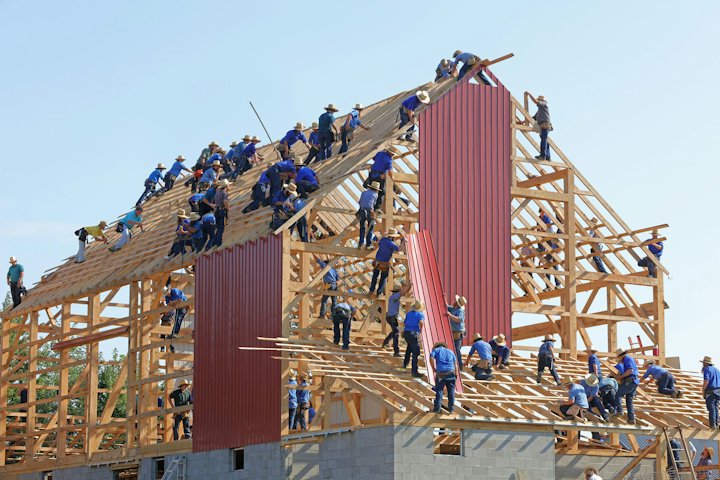
Utah has no general dollar threshold below which a licensed classification's work is free of licensing, but it exempts small repair, remodeling and addition jobs on a building with a contracted value under $7,000, counting labor, materials and all changes to the job.23
More
Even under $7,000, electrical and plumbing system work must be done by a licensed electrical or plumbing contractor (a licensed journeyman may replace a component such as a faucet, toilet, fixture, outlet or switch), gas appliance work needs gas certification, and HVAC, alarm, water-based fire protection and radon mitigation work need the matching license. If the job is over $3,000, the person must first file a one-time registration with DOPL affirming liability insurance and workers' compensation coverage (or a waiver).
How to get licensed
- 1
Take the 30-hour pre-licensure course (25-hour course plus 5-hour business and law course) from an approved provider.11
- 2
- 3
Register the business with the Utah Division of Corporations (if it is a corporation, LLC or partnership) and get a federal EIN.11
- 4
- 5
- 6
Check the license on DOPL's Verify a License search after it is issued.1
What Utah requires
Experience
The qualifier for a general classification needs two years (4,000 hours) of paid work in the construction industry at any time, which can be self-certified.3456
More
Paid work as a W-2 employee or owner, licensed or exempt, military construction work, and supervised work in a construction education program all count. Alternatives are two years as a qualifier on a Utah contractor license, a two- or four-year Construction Management degree, a Utah professional engineer license, or passing the NASCLA commercial general building exam.
Exams 1
- Utah Contractor Business and Law Exam
Required for the qualifier of every general classification (B100, R100, E100, E200, E201, P200, P201 and H100).3478
More
It is given by ProV at a testing center or online, and no pre-approval is needed. Pass it before applying. A failed exam can be retaken after 30 days, up to three failures, and after six months for later failures. It is not required for licensure by endorsement or for someone who was a qualifier on a Utah contractor license before May 9, 2017.
Bond None
No bond is required by default. Applicants show financial responsibility by answering and signing DOPL's financial responsibility questionnaire.3810
More
DOPL may require a license bond instead, for example when owners, qualifiers or the business have recent bankruptcies or $1,000 or more in unpaid debts, judgments or liens. In that case the minimum bond is the greater of 30% of those debts or $50,000 for general classifications other than R100, $25,000 for R100, and $15,000 for other classifications; a higher or lower amount may be set.
Liability insurance
Every active contractor license must carry general liability insurance of at least $1,000,000 per occurrence and $2,000,000 aggregate, covering all the work allowed by the license, with DOPL named as certificate holder.13511
More
DOPL raised the minimums to these amounts effective April 20, 2026. An inactive license is exempt from this requirement.
Workers' compensation
A contractor with employees, or with owner-workers who own less than 8% of the business, must file a workers' compensation insurance certificate naming DOPL as certificate holder, plus its unemployment insurance and state withholding registration numbers (or a contract with an approved professional employer organization).381112
More
A contractor with no employees must instead file a Workers' Compensation Coverage Waiver issued by the Utah Labor Commission.
Renewal
Contractor licenses run on a two-year cycle and all expire on November 30 of odd-numbered years.3121314
More
DOPL emails a renewal notice at least 60 days before expiration. Renewal requires 6 hours of approved continuing education per cycle (at least 3 core hours and at least 3 hours in live classes, with no more than 3 hours online), a current liability insurance certificate, workers' compensation proof or waiver, and a signed financial responsibility disclosure. A license expired more than two years must be reinstated instead of renewed.
Fees
Good to know
The qualifier must finish a 30-hour pre-licensure course (the 25-hour course plus a 5-hour business and law course) from one of the approved providers (Associated Builders and Contractors, Associated General Contractors of Utah, or the Utah Home Builders Association).3611
More
Someone who took the 25-hour course before July 1, 2019 (or October 1, 2019 per DOPL's page) does not need the extra 5 hours.
A B100 license covers building construction of any size and includes the work of all specialty classifications, modular unit installation, and swimming pools and permanent spas.315
More
It does not include electrical, plumbing, elevator or factory-built housing work, or HVAC work except on single-family homes and buildings of up to four units.
A 2026 law (Chapter 42, 2026 General Session) reorganizes the Utah Construction Trades Licensing Act effective January 1, 2027, moving sections such as the licensing exemptions and financial responsibility rules to new section numbers. The facts here describe the law in effect on the date checked.17
General contractor rules in Utah cities
Some places make general contractors get a local license on top of Utah's. Find yours below.
No match. Your city may not be on the site yet. Check with its building department.
Hiring a general contractor in Utah?
What to ask for
A current B100 General Building Contractor number, then look it up yourself.
Common questions
Do I need a license to work as a general contractor in Utah?
Yes. Utah requires B100 General Building Contractor. Utah has no general dollar threshold below which a licensed classification's work is free of licensing, but it exempts small repair, remodeling and addition jobs on a building with a contracted value under $7,000, counting labor, materials and all changes to the job. Even under $7,000, electrical and plumbing system work must be done by a licensed electrical or plumbing contractor (a licensed journeyman may replace a component such as a faucet, toilet, fixture, outlet or switch), gas appliance work needs gas certification, and HVAC, alarm, water-based fire protection and radon mitigation work need the matching license. If the job is over $3,000, the person must first file a one-time registration with DOPL affirming liability insurance and workers' compensation coverage (or a waiver).
How much does B100 General Building Contractor cost in Utah?
Application fee, per classification: $175. Application fee, per qualifier: $50. Electronic reference library surcharge (each application): $1. Renewal fee (every 2 years), primary classification: $128. Construction Business Registry fee added to renewals: $5. Late renewal fee: $20. Reinstatement fee: $50.
Is a bond required?
No bond is required by default. Applicants show financial responsibility by answering and signing DOPL's financial responsibility questionnaire. DOPL may require a license bond instead, for example when owners, qualifiers or the business have recent bankruptcies or $1,000 or more in unpaid debts, judgments or liens. In that case the minimum bond is the greater of 30% of those debts or $50,000 for general classifications other than R100, $25,000 for R100, and $15,000 for other classifications; a higher or lower amount may be set.
What exams do I need to pass?
Utah Contractor Business and Law Exam.
How often do I renew?
Contractor licenses run on a two-year cycle and all expire on November 30 of odd-numbered years. DOPL emails a renewal notice at least 60 days before expiration. Renewal requires 6 hours of approved continuing education per cycle (at least 3 core hours and at least 3 hours in live classes, with no more than 3 hours online), a current liability insurance certificate, workers' compensation proof or waiver, and a signed financial responsibility disclosure. A license expired more than two years must be reinstated instead of renewed.
Sources
17 official pages, checked November 6, 2026
- Contracting · Utah Division of Professional Licensing (DOPL) · checked November 6, 2026
- Utah Code 58-55-305. Exemptions from licensure · Utah State Legislature · checked November 6, 2026
- R156-55a. Utah Construction Trades Licensing Act Rule (effective 08/07/2026) · Utah Office of Administrative Rules · checked November 6, 2026
- Apply for a General Contractor License · Utah Division of Professional Licensing (DOPL) · checked November 6, 2026
- Frequently Asked Questions (FAQs) (Contracting) · Utah Division of Professional Licensing (DOPL) · checked November 6, 2026
- Utah Code 58-55-302. Qualifications for licensure · Utah State Legislature · checked November 6, 2026
- Exam Information (Contracting) · Utah Division of Professional Licensing (DOPL) · checked November 6, 2026
- Contractor Application, All Classifications (v.20260930) · Utah Division of Professional Licensing (DOPL) · checked November 6, 2026
- DOPL Fee Schedule · Utah Division of Professional Licensing (DOPL) · checked November 6, 2026
- Utah Code 58-55-306. Financial responsibility · Utah State Legislature · checked November 6, 2026
- Apply for a Specialty Contractor License · Utah Division of Professional Licensing (DOPL) · checked November 6, 2026
- Renew a License (Contracting) · Utah Division of Professional Licensing (DOPL) · checked November 6, 2026
- Continuing Education (Contracting) · Utah Division of Professional Licensing (DOPL) · checked November 6, 2026
- Utah Code 58-55-302.5. Continuing education requirements for contractor licensees · Utah State Legislature · checked November 6, 2026
- Utah Code 58-55-102. Definitions · Utah State Legislature · checked November 6, 2026
- Utah Code 58-55-301. License required -- License classifications -- Scope · Utah State Legislature · checked November 6, 2026
- Utah Code Title 58, Chapter 55, Utah Construction Trades Licensing Act · Utah State Legislature · checked November 6, 2026
Rules change. Confirm with the agency before you bid or start work. How we research
Other trades in Utah
 Residential builder
R100 Residential and Small Commercial Contractor
 Electrician
E200 General Electrical Contractor (E201 Residential Electrical Contractor), qualified by a Master or Residential Master Electrician
 Plumber
P200 General Plumbing Contractor (P201 Residential Plumbing Contractor), qualified by a Master or Residential Master Plumber
 HVAC contractor
H100 HVAC Contractor
 Roofer
S280 Roofing Contractor
 Painter
S270 Drywall, Paint, and Plastering Contractor
 Handyman
Covered by the state contractor license above a threshold
 Landscaper
S330 Landscape and Recreation Contractor
 Flooring contractor
S220 Carpentry and Flooring Contractor
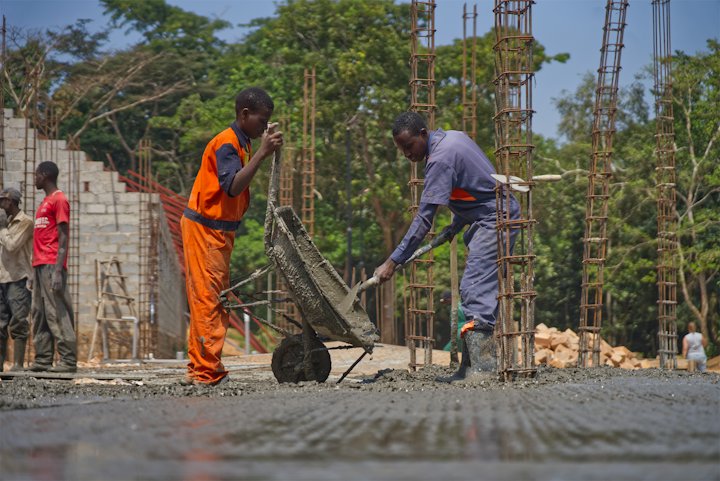 Concrete contractor
S260 Asphalt and Concrete Contractor
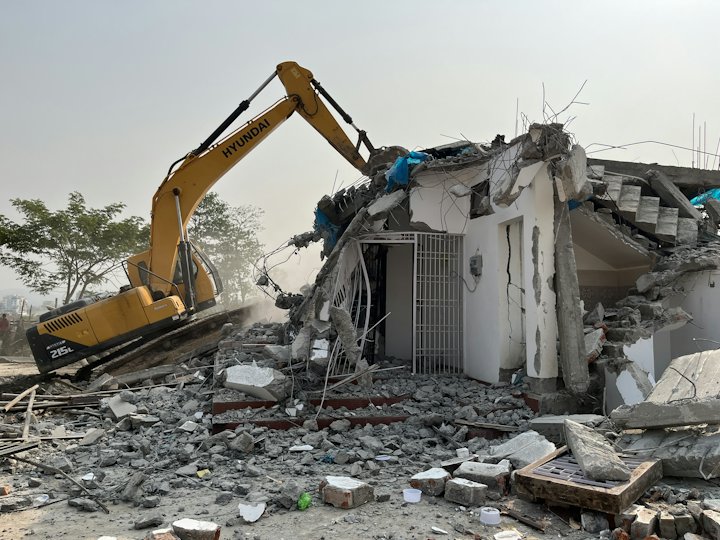 Demolition contractor
S310 Foundation, Excavation, and Demolition Contractor
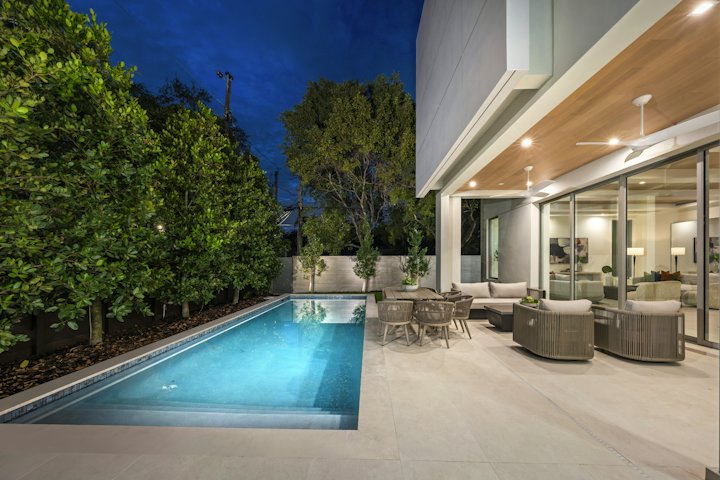 Pool and spa contractor
Covered by the state contractor license above a threshold
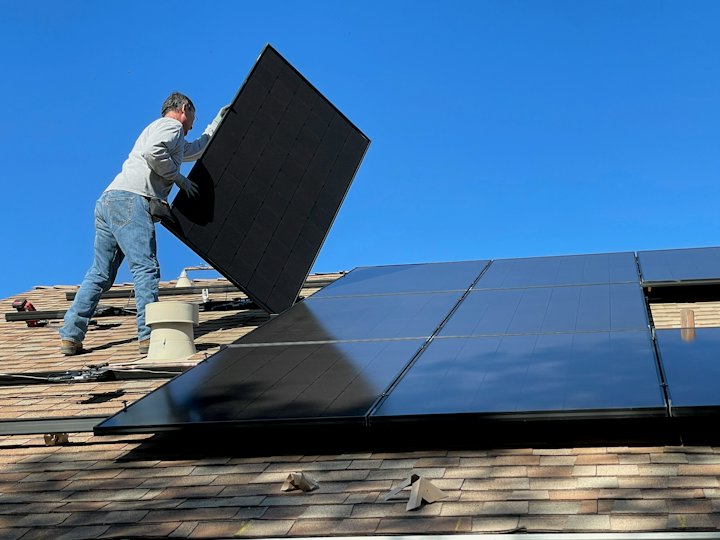 Solar installer
S202 Solar Photovoltaic Contractor
 Fence contractor
S330 Landscape and Recreation Contractor
 Tree service
No state license for this work
 Pest control
Commercial Pesticide Business License (4000), plus a Commercial Pesticide Applicator License (4001) for each applicator
 Home inspector
Private Home Inspector
General contractor licenses in other states
 Alabama
General Contractor license (prime contractor or subcontractor), with major and specialty classifications
 Alaska
Certificate of registration as a general contractor
 Arizona
B-1 General Commercial Contractor, KB-1 Dual Building Contractor, or B General Residential Contractor
 Arkansas
Commercial contractor license (restricted or unrestricted), Arkansas Contractors Licensing Board
 California
B General Building Contractor
 Connecticut
Home Improvement Contractor Registration (residential work); Major Contractor Registration (buildings over the threshold limits)
 Delaware
Contractor Business License (resident or non-resident), Division of Revenue
 District of Columbia
Basic Business License with General Contractor/Construction Manager endorsement (Class A, B, C, G or H)
 Florida
Certified General Contractor (CG) or Registered General Contractor (RG)
 Georgia
Commercial General Contractor license
 Hawaii
B General Building Contractor
 Idaho
Idaho contractor registration
 Illinois
No state license for this work
 Indiana
No state license. Cities or counties may license it
 Iowa
Construction contractor registration
 Kansas
No state license. Cities or counties may license it
 Kentucky
No state license. Cities or counties may license it
 Louisiana
Commercial license, Building Construction classification
 Maryland
Home Improvement Contractor License (Maryland Home Improvement Commission)
 Massachusetts
Construction Supervisor License (Unrestricted)
 Michigan
No state license for this work
 Minnesota
Construction contractor registration
 Mississippi
Commercial certificate of responsibility, Building Construction major classification
 Missouri
No state license. Cities or counties may license it
 Montana
 Construction Contractor License
 Nebraska
Contractor registration (Nebraska Department of Labor)
 Nevada
B General Building Contractor
 New Jersey
Home Improvement Contractor Business Registration
 New Mexico
GB-98 General Building
 New York
No state license. Cities or counties may license it
 North Carolina
General Contractor license, Building classification (limited, intermediate or unlimited)
 North Dakota
Contractor License (Class A, B, C or D)
 Ohio
No state license. Cities or counties may license it
 Oklahoma
No state license. Cities or counties may license it
 Oregon
CCB contractor license with a general contractor endorsement (Residential General, or Commercial General Level 1 or Level 2)
 Pennsylvania
Home Improvement Contractor Registration (HICPA)
 Rhode Island
Contractor Registration
 South Carolina
General Contractor license (Contractor's Licensing Board)
 South Dakota
Contractor's Excise Tax License (Department of Revenue)
 Tennessee
Contractor license (BC Building Construction, BC-B Commercial, BC-C Industrial, or other classification)
 Texas
No state license for this work
 Vermont
Residential Contractor Registration (individual or business)
 Virginia
Class A, B or C contractor license with the Commercial Building (CBC) or Residential Building (RBC) classification
 Washington
General contractor registration
 West Virginia
General Building Contractor
 Wisconsin
Dwelling Contractor certification with a Dwelling Contractor Qualifier (one- and two-family dwellings)